Why Road Safety Is Important in India
Road safety is one of the most neglected issues in India. This country is home to a large number of road accidents – a quarter of all crashes in the world occur in India. But, this situation is not all bad news. In fact, India is on the road to becoming a better place to live and work. Several new initiatives are being undertaken to improve road safety in India. The former mayor of New York City, Michael Bloomberg, recently announced that he would offer India a package of assistance to improve road safety in the country.
Pedestrians
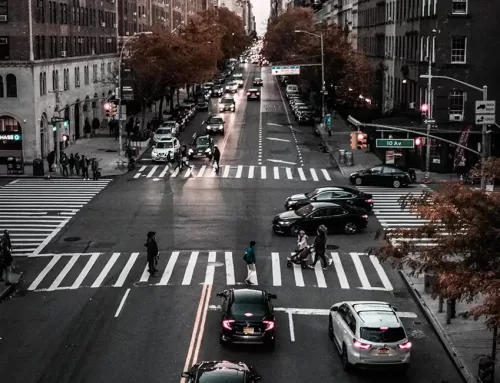
Many road accidents in India are caused by irresponsible drivers and reckless pedestrians. In fact, most road accidents involving pedestrians are fatal, with the exception of those caused by irresponsible drivers. A traffic police report from 2006-2009 showed that, even though the number of accidents overall had decreased, the percentage of pedestrian deaths was still above forty percent. These statistics suggest that pedestrians must receive more attention from transport professionals.
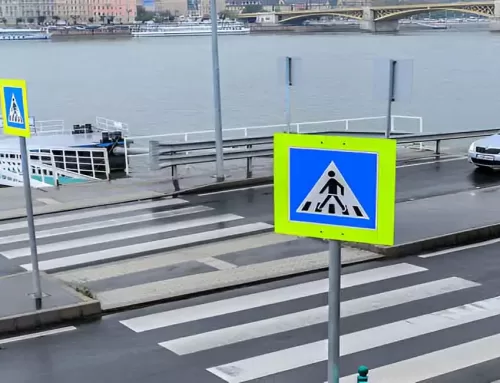
Studies have shown that pedestrians are at a higher risk of road accidents than other road users. These accidents occur most often at crosswalks and mid-block segments. In developing countries, this is the most common type of road crash involving pedestrians. The study’s findings will assist traffic safety officials in identifying crash patterns and devising countermeasures. In the United States, pedestrians are responsible for 37 percent of all fatalities from RTCs.
Bicyclists
In a bid to promote bicycle safety, the IRF India Chapter has started a major campaign to make bicycles reflect. So far, the IRF has fitted 50,000 bicycles with reflective tape. The campaign has gotten a lot of attention among cyclists and IRF plans to expand it to other cities. The organization is hoping to reduce road deaths by promoting bicycle safety. Hopefully, more bicyclists will join the campaign and save lives!
Many European countries have taken steps to improve cycling safety. These policies include reducing vehicle speeds in traffic-calmed areas, grade separation, prohibition of motorway use, and lower speeds at intersections. Bicyclist safety is a significant component of road safety policies, but India needs its own vision. There are a number of barriers to cycling safety in India, including a lack of dedicated bicycle tracks and safe zones.
Motorized two-wheelers
The safety of children on motorized two-wheelers is of utmost importance. The age-old practice of riding a petrol tank on a scooter is not acceptable today, but in some cities of India, children often ride on these vehicles. Safety on motorized two-wheelers is an issue that is still poorly addressed, despite their growing popularity in recent decades. The following are suggestions to make these vehicles safer for children:
ABS is now mandatory on all two-wheelers over 125cc. The price of ABS-equipped motorized two-wheelers has increased by up to Rs 5,000, a substantial increase in the commuter segment. However, the government has also set the target of reducing road fatalities by 50% by 2025 and zero by 2030. This is a good start, but more needs to be done.
Pillion passengers
Road safety in India is a serious issue. As the country witnesses many road accidents, there is an urgent need to ensure the safety of pillion passengers. A pillion passenger on a motorcycle helps a driver focus on the road, as they can focus on the road rather than worrying about balancing the two-wheeler. Pillion riders can also help improve the road safety by wearing protective gear, like a crash helmet, which can decrease their risk of fatal injuries to the head and spine.
Children under four years of age are still commonly carried on motorcycles without a safety harness, often between the driver and the pillion rider. Children are frequently left unprotected, struggling to hold the pillion rider’s clothing. In Assam, there have been reports of several fatal accidents that involved children riding pillion on motorcycles. New rules will hopefully prevent such mishaps, but the success of the new rules depends on public awareness.
Drivers
Drivers are critical for road safety in India. In addition to traffic rules and regulations, drivers should follow their road signs. Keeping your eyesight healthy is vital for your own safety and the safety of others. It is imperative that you wear a suitable pair of spectacles that do not interfere with your vision. The government is also working to improve driver training and licensing. There are many reasons why drivers are so important for road safety in India.
The Indian Roads Congress has published the Highway Safety Code (HSC), which is not a traffic law manual. Instead, it is a compilation of measures dictated by law, courtesy, and good judgment. The Highway Safety Code was published in Chandigarh, India, in 1972. It covers all road users, including drivers, cyclists, and pedestrians.
Emergency services
Developing a national emergency medical service system has been challenging in India. While 108 services are popular and part of a public-private partnership model, the country is far behind in implementing a comprehensive system. This study looks at the impact of EMS in improving road safety in India. It uses a questionnaire survey to determine awareness of EMS and traffic-related fatalities as a dependent variable. The results are analyzed using a fixed effect panel data model.
While road traffic injuries are the ninth leading cause of death globally, those in need of trauma care are more likely to survive if they receive definitive care within the first hour after an accident. Prompt communication and transport to formal healthcare facilities are essential. A study aims to examine the availability of post-crash emergency care in Aligarh and its utilization patterns, as well as determine how effective the service is. The study focused on two National highways and their connecting bypass roads.