What is screen printing, and how does it work?
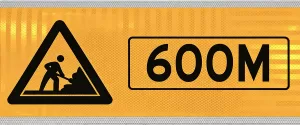
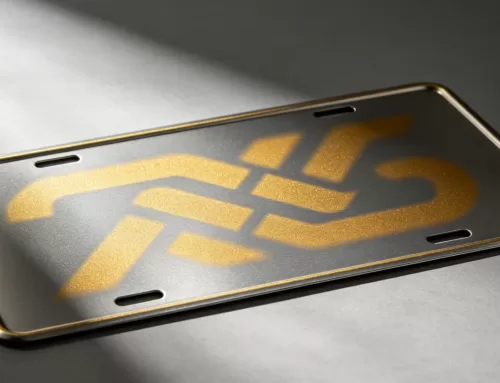
Screen printing is a printing technique that transfers a design onto a substrate—in our application, reflective sheeting —by forcing ink through a fine mesh screen.
However, not all types of reflective sheeting are suitable for screen printing. The material surface must be compatible with the ink and maintain dimensional stability. For traffic signage applications in particular, the ink used must be highly transparent to preserve reflectivity.
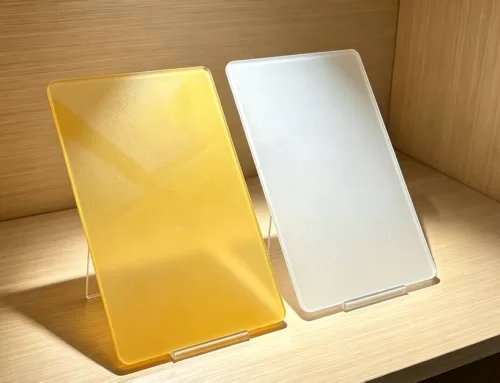
Our XW series products with an acrylic resin surface or PMMA acrylic film are well-suited for screen printing and deliver excellent performance.
These include:
XW3200 Glass bead type commercial grade (CG)
XW5200 Glass bead type engineer grade (EG)
XW9201 Prismatic type engineer grade (EGP)
XW9401 Prismatic type high-intensity grade (HIP)
If you require samples, please feel free to contact us.
Detailed Screen Printing Process
Ink Application
Specialized screen printing ink is poured or spread across the top of the screen. Ink selection is critical, as it directly affects the durability, weather resistance, and appearance of the finished signage.
Key reasons you need specific inks:
Material compatibility
Reflective sheeting (especially with acrylic / PMMA surfaces) is non-porous.Regular inks will not adhere properly, peel off, or damage the reflective layer.
Reflectivity requirement
For traffic signage, ink must be highly transparent so light can still pass through to the reflective beads/prisms.Opaque inks would destroy reflectivity.
Outdoor durability
Road signs need weather resistance, UV resistance, and long-term color fastness.Normal art inks fade, crack, or wash out outdoors.
Drying & curing behavior
Screen printing inks are formulated to be pushed through mesh and dry/cure correctly (air or low-temperature heat).Other inks may be too thin, too thick, or clog the screen.
In short:
You must use specialized screen printing inks designed for:
- reflective film / acrylic surfaces
- traffic signage applications
- high transparency
- outdoor weatherability
If you use the wrong ink, the print will fail and the reflective performance will be compromised.
Screen Preparation
A screen, typically made of fine polyester or nylon mesh, is stretched tightly and evenly over a rigid frame. Each color in the design requires its own individual screen. Basic screen printing machines are generally designed for single-color prints. For multi-color designs, the equipment must provide precise registration and positioning control to ensure each color aligns accurately in its intended area.
Stencil Creation (Image Blocking)
A stencil of the desired design is applied to the screen. The stencil blocks ink from passing through certain areas, while leaving open areas that correspond to the graphic or text. Only the open, unblocked sections allow ink to transfer onto the substrate.
Drying / Curing
The printed sheet must go through a drying process to fully set the ink. This can be done via air drying or low-temperature heat drying, depending on the ink type and production requirements.
In short, screen printing works by pressing ink through a perforated, patterned screen to reproduce a sharp, durable image on the target surface.
You may interested in How do I choose the right ink for my screen printing project?
Squeegee Pressing
A squeegee is pulled across the screen with firm, even pressure. This action forces the ink through the open mesh areas and onto the surface of the reflective sheeting below.
Screen Release & Image Transfer
The screen is carefully lifted, leaving the printed image on the material.